Not Just a New York Thing Anymore: How Austin, Denver, and Nashville Are Writing Their Own Bagel Stories
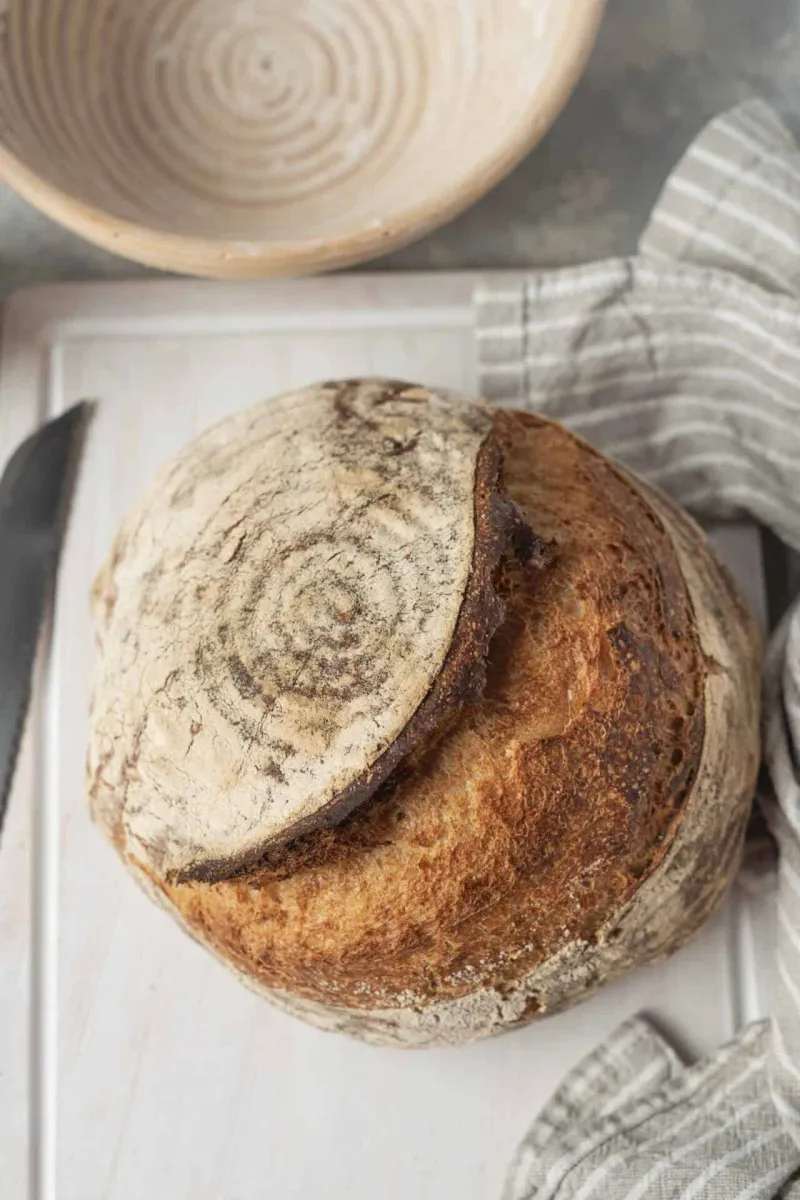
Photo: artisan bagels on wooden table with local ingredients herbs spices, via cdn.bakedbree.com
For decades, the conversation around great bagels started and ended in New York. And honestly? That reputation is earned. The water, the technique, the bakers who've been shaping dough at 3 a.m. for thirty-plus years — it all adds up to something genuinely special. We'd be the last people to argue otherwise.
But something interesting has been happening in cities like Austin, Denver, and Nashville. Bagel makers there aren't just setting up shop and doing their best impression of a Lower East Side classic. They're asking a different question entirely: What does a great bagel look like here?
The answers they're coming up with are worth paying attention to.
Why These Cities, Why Now
There's a demographic story underneath all of this. Over the past decade, all three cities have absorbed massive waves of transplants — tech workers, creatives, remote workers who packed up during the pandemic and landed somewhere with more square footage and a lower cost of living. A lot of those people grew up with real bagels. They know the difference between a dense, chewy, properly boiled ring and the soft, pillowy imposters that pass for bagels in most grocery store aisles.
That built-in customer base created demand. But what's happened since is more interesting than just supply meeting demand. The bakers who showed up to fill that gap didn't want to run tribute acts. They wanted to make something their own.
In Denver, that's meant leaning into the region's agricultural identity. Local honey from Colorado producers shows up in dough recipes. High-altitude baking — which genuinely does affect fermentation and rise — has pushed some bakers to rethink hydration levels and proofing times in ways that have produced textures you won't find anywhere else. The result isn't a worse bagel. It's a different bagel, shaped by its environment in ways that actually make scientific sense.
The Austin Approach: Heat, Culture, and a Willingness to Experiment
Austin's food scene has always had a certain fearlessness about fusion — it's a city that embraced Korean-Mexican tacos before most of the country knew what a food truck was. That same energy is showing up in its bagel shops.
Bakers there are working with locally sourced jalapeños, smoked meats that nod to Central Texas barbecue traditions, and cream cheese variations that pull from Tex-Mex flavor profiles. We're talking chipotle-lime schmear, house-pickled onions with a hint of ancho, everything seasoning blends that swap in dried chiles alongside the traditional poppy and sesame.
Is it traditional? No. Is it good? By most accounts, very. And here's the thing — the bakers doing this aren't cutting corners on the fundamentals. The dough is still being cold-fermented. The bagels are still being boiled before they hit the oven. The chew is still there. They've just decided that the toppings and accompaniments are a canvas, not a sacred text.
Nashville's Slow Build
Nashville's bagel scene has been quieter about it, but no less deliberate. The city's food culture has historically centered on hot chicken, meat-and-threes, and biscuits — a deeply local culinary identity that doesn't leave a lot of obvious room for a boiled bread ring from New York.
But that's exactly what makes what's happening there interesting. A handful of bakers have been working to find genuine points of connection between Southern food traditions and bagel culture, rather than just dropping a New York shop into a Nashville zip code and hoping for the best.
Country ham as a bagel topping — the real stuff, salt-cured and aged — has become a signature move for at least one well-regarded shop there. Sorghum butter has shown up alongside cream cheese as a spread option. Biscuit-makers and bagel-makers have even started talking to each other about fermentation, discovering that their instincts about dough aren't as far apart as you'd think.
It's a slower, more organic kind of identity-building. But it's sticking.
What the Science Says About Regional Variation
Here at Tal Bagels, we think about dough chemistry a lot, so we can't let this conversation pass without getting into the science a little.
One of the most persistent myths in bagel culture is that New York water is the only reason NYC bagels taste the way they do. The water does matter — its mineral content, particularly the relatively low levels of calcium and magnesium, affects gluten development and yeast activity in measurable ways. But it's not the whole story.
Fermentation time and temperature have an enormous impact on flavor. A longer, colder ferment produces more complex organic acids, which contribute to that distinctive tang. Bakers in Denver working at altitude have discovered that their yeast behaves differently — it's more active at lower atmospheric pressure — which means they've had to slow things down even further to get the flavor development they're after. In some cases, they're producing bagels with a deeper, more pronounced sour note than you'd find in a standard New York shop.
Local flour also plays a role. Wheat grown in different regions has different protein content, which affects gluten strength and ultimately chew. Some bakers in these cities have started sourcing regional grains specifically because they want that variability — they want their bagels to taste like somewhere.
What This Means for Bagel Culture Overall
There's a version of this story that reads as a threat to New York bagel tradition. We don't see it that way.
What's happening in Austin, Denver, and Nashville isn't a replacement for what's been built here over generations. It's more like a conversation — one that New York bagel culture is having with the rest of the country, and getting something back in return. The cities developing their own bagel identities aren't abandoning the fundamentals. They're honoring them by taking them seriously enough to ask hard questions.
The bakers driving this movement aren't trying to out-New York New York. They're trying to make something worth eating in the place where they actually live. That's not a threat to tradition. That's how tradition grows.
And honestly, if it gets more people thinking seriously about what goes into a great bagel — the fermentation, the boil, the bake, the quality of what goes on top — that's good for everyone who cares about this food. Including us.
So yeah, New York still has the blueprint. But the blueprint is getting built on in some genuinely exciting ways. Worth keeping an eye on.