Ancient Bread, Modern Obsession: Why Gen Z Can't Stop Talking About Bagels
For most of New York's history, ordering a bagel was a pretty straightforward transaction. You walked in, you pointed at something behind the glass, and twelve seconds later you were on your way to the subway. No questions asked. No ingredient sourcing required.
That's not exactly how it goes anymore.
Today, a growing segment of bagel lovers — many of them under 30 — want to know whether the flour was stone-milled, how long the dough fermented, and whether the cream cheese was made from cashews or oat milk. They're not being difficult. They're just eating the way their generation was raised to eat: with a whole lot of intention.
And honestly? The bagel is holding up remarkably well under the scrutiny.
The Gut Health Angle Nobody Saw Coming
If you've spent any time on wellness-adjacent social media lately, you've probably heard the word "fermentation" approximately ten thousand times. Kombucha, kimchi, kefir — Gen Z has turned the microbiome into a lifestyle brand. What's surprising is how naturally the bagel fits into that conversation.
Traditional bagel dough, when made with a slow-fermented sourdough starter rather than commercial yeast, undergoes a process that breaks down some of the gluten and phytic acid in wheat flour. Nutritionists point out that this extended fermentation — sometimes lasting 12 to 24 hours or longer — can make the final product easier to digest and may improve the bioavailability of certain minerals.
"The science on sourdough fermentation is genuinely interesting," says one registered dietitian who works with clients in Brooklyn and Manhattan. "It's not a magic fix, but for people who find conventional bread heavy or bloating, a properly fermented sourdough bagel can feel meaningfully different. There's real food science behind the preference, not just trend-chasing."
For shops like ours at Tal Bagels NY, that's actually good news. Handcrafted, slow-process bagels have always been the standard — not a marketing pivot. The difference now is that customers are arriving with vocabulary to describe why it matters to them.
Seeds, Grains, and the New Definition of "Everything"
The Everything Bagel has been a New York institution for decades. But Gen Z has quietly expanded the definition of what "everything" can mean.
Seed-heavy varieties are having a serious moment right now, and it goes beyond sesame and poppy. Hemp seeds, flax, pumpkin, sunflower — younger consumers are drawn to these additions partly for flavor, but also because they associate seeds with nutritional density. Omega-3 fatty acids, plant-based protein, fiber: seeds deliver a lot of functional value in a small package, and they happen to taste incredible when toasted into a bagel crust.
Ancient grains are another frontier. Einkorn, spelt, emmer, and rye — grains that predate modern industrial wheat by thousands of years — are showing up in bagel recipes at progressive shops across the country. They tend to have more complex flavor profiles than standard bread flour, and some evidence suggests they contain higher levels of certain antioxidants and minerals. Whether you're eating them for the nutrition or just because they taste nuttier and more interesting, the result is a bagel that feels more intentional.
At Tal Bagels NY, we've been watching these ingredient conversations closely. New York has always been a place where tradition and innovation argue loudly at the same counter — and right now, that argument is producing some genuinely delicious results.
Plant-Based Schmear and the Dairy Debate
Let's talk about cream cheese, because Gen Z definitely is.
The classic schmear — full-fat, tangy, applied generously — remains beloved and completely irreplaceable for a huge portion of bagel loyalists. But plant-based alternatives have come an extraordinarily long way in the last few years, and the best versions are no longer a consolation prize. Cashew-based cream cheeses can achieve a richness that rivals dairy. Cultured oat milk spreads bring genuine tang. Some small-batch producers are fermenting their plant-based bases the same way traditional cream cheese is cultured, adding probiotic complexity that makes the wellness crowd genuinely excited.
This isn't about replacing dairy. It's about expanding the table — which is something New York has always been pretty good at.
"My clients aren't choosing plant-based cream cheese because they think it's automatically healthier," notes one nutrition coach based in Astoria, Queens. "They're choosing it because it fits their values around sustainability and animal welfare, and because the products have improved enough that they actually enjoy them. That's a significant shift from even five years ago."
Sustainable Sourcing as a Form of Community
Here's something interesting about Gen Z's relationship with food: wellness, for this generation, rarely stops at the individual body. It extends outward — to supply chains, farming practices, labor conditions, and environmental impact. When a 24-year-old asks where a bagel shop sources its flour, they're not being pretentious. They're applying the same logic they use when they buy clothes or choose a bank.
Shops that can answer those questions — that work with regional mills, that prioritize organic or regenerative agriculture, that build relationships with local suppliers — are finding a genuinely loyal customer base among younger New Yorkers. The transparency itself is part of the product.
At Tal Bagels NY, community connection has always been central to who we are. Knowing where ingredients come from, knowing the people who make them, caring about the neighborhood that sustains the shop — that's not a Gen Z invention. It's just something this generation is making more visible and more explicit.
A 400-Year-Old Food That's Still Evolving
The bagel has been around in some form since at least the 1600s. It survived immigration, industrialization, the frozen food era, and approximately forty years of being treated as a vehicle for low-fat cream cheese. It's going to survive wellness culture just fine.
What's genuinely exciting about this moment is that Gen Z's curiosity — about fermentation, about ingredients, about sourcing — is pushing bagel makers to be more thoughtful and more creative without abandoning the fundamentals. A properly boiled, hand-rolled bagel with a crackling crust and a chewy interior is still the goal. The conversation around it has just gotten a lot more interesting.
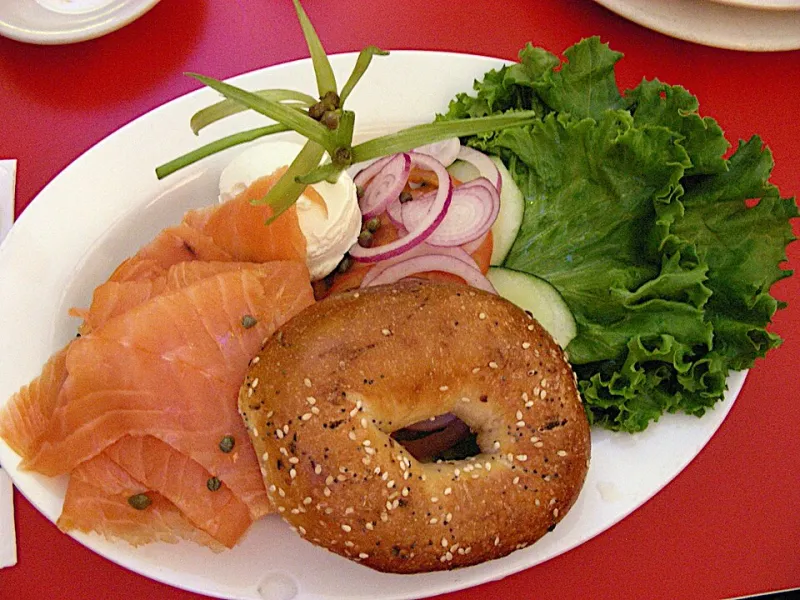
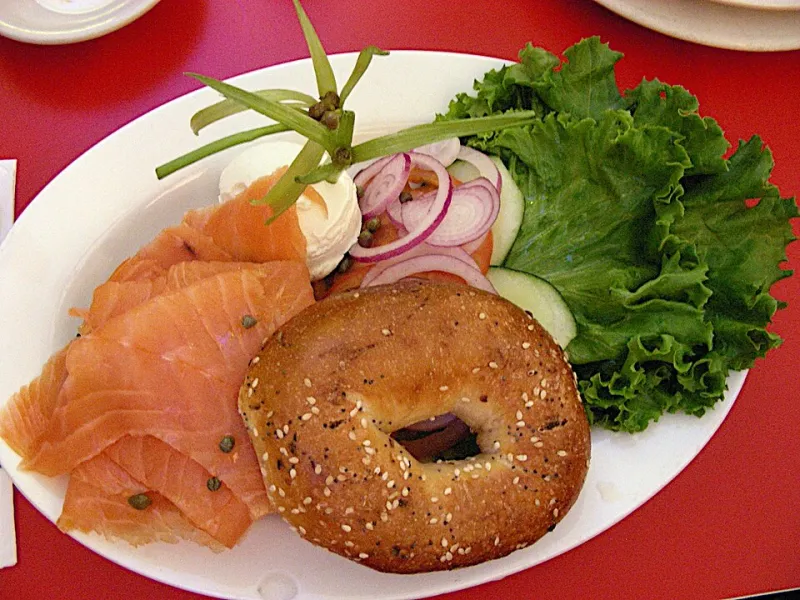
Whether you're a purist who wants a plain bagel with lox and a thin swipe of classic schmear, or you're deep into the hemp-seed-sourdough-cashew-cream-cheese lifestyle, there's room for you at the counter. That's kind of the whole point of New York.
Stop by Tal Bagels NY and see what's fresh — because whatever generation you belong to, a great bagel is still one of the best things this city has to offer.