Old Dough, Bold Moves: How Today's Bagel Makers Are Rewriting the Rules Without Forgetting the Roots

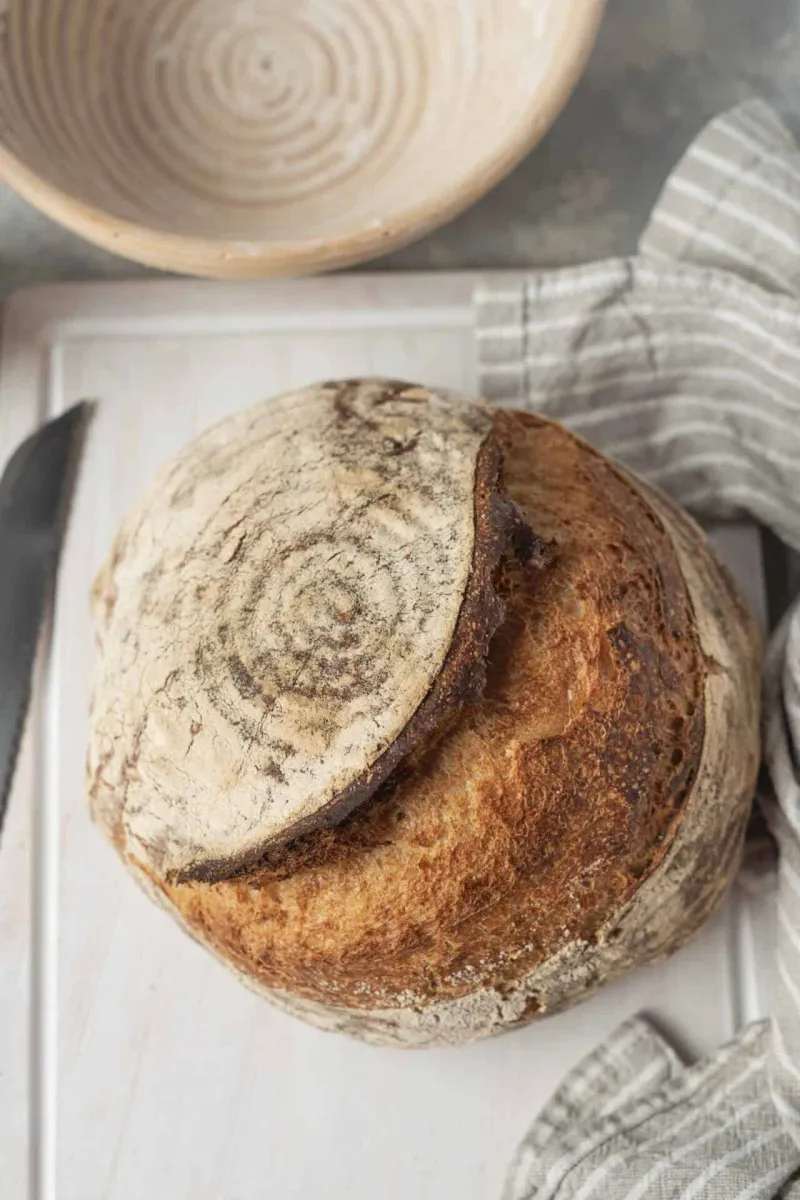
Photo: artisan bagels with creative toppings and heritage grain dough on rustic wood surface, via i.ytimg.com
There's a moment in every serious bagel conversation where someone brings up their grandmother. The water. The wood-fired oven. The way the crust crackled when you tore into it on a Sunday morning. That reverence is real, and it deserves respect. But here's the thing—the most exciting bagel makers working today aren't trying to recreate grandma's recipe. They're using it as a launchpad.
Call it the bagel renaissance. Call it a culinary identity crisis with a really good PR team. Whatever you name it, something genuinely interesting is happening in dough rooms from the Lower East Side to Los Angeles, and it's worth paying close attention.
The Foundation Still Holds
Before we get into the wild stuff, let's be clear about what isn't changing. The non-negotiables—the things that make a bagel a bagel rather than a fancy bread roll with a hole—are still firmly in place among the bakers driving this movement.
High-gluten flour. A long, cold ferment. The boil. The oven. These four pillars haven't been abandoned; if anything, they're being treated with more intentionality than ever. The new generation of bagel makers tends to be obsessive about fermentation times, water mineral content, and oven temperature in ways that would've seemed almost academic to the corner shop bakers of decades past. They're not cutting corners. They're cutting into the science.
That's actually where the innovation begins—not with flashy toppings, but with a deeper understanding of what makes the dough tick.
Heritage Grains Are Having Their Moment
One of the most significant shifts happening right now involves the flour itself. For most of bagel history, high-gluten bread flour was the unquestioned standard. It produces the tight, chewy crumb and glossy crust that define the classic New York style. Nobody was arguing with it.
But a growing number of bakers are experimenting with heritage grain varieties—einkorn, emmer, Red Fife wheat, and even spelt—either as partial substitutes or blended into the base dough. The results are genuinely fascinating from a food science perspective. Heritage grains tend to have lower gluten content but carry far more complex flavor compounds, introducing subtle nutty, grassy, or even slightly sweet notes that commercial bread flour simply can't offer.
The trick, as any baker who's tried it will tell you, is managing the structural tradeoff. Less gluten means a softer, more open crumb—which is fine for sourdough but can work against the dense, satisfying chew that bagel lovers expect. The bakers getting it right are typically blending heritage grains at somewhere between 20 and 40 percent of total flour weight, preserving the structural integrity while layering in flavor complexity that makes each bite feel like a little bit more of a discovery.
The Charcoal Bagel and Other Unexpected Canvases
Let's talk about the visual side of this, because it's impossible to ignore. Activated charcoal bagels—jet black, striking, and genuinely polarizing—became something of a flashpoint in recent years. Some traditionalists dismissed them as Instagram bait. And honestly? Some of them were.
But the more interesting charcoal experiments weren't really about color at all. Activated charcoal is largely flavorless, so bakers who used it thoughtfully were pairing it with bold, savory toppings or deeply seasoned schmears to create a complete sensory package—the visual drama was just the hook. The same logic applies to bagels tinted with squid ink, beet powder, or turmeric. When those additions come with genuine flavor intent rather than just aesthetic novelty, they hold up.
The bagel, it turns out, is a surprisingly versatile canvas. Its neutral, slightly malty base plays well with a remarkable range of flavor partners.
Everything Seasoning Grew Up
If the everything bagel is the undisputed populist champion of the bagel world—and it is—then the current moment is about asking what "everything" can actually mean.
The classic everything blend (sesame, poppy, dried garlic, dried onion, salt) isn't going anywhere. But bakers are now developing signature seasoning blends that push the concept further: za'atar and sumac mixes, toasted caraway with fennel pollen, furikake-inspired combinations with nori and sesame, even chili-forward blends that bring genuine heat to the crust. These aren't gimmicks when they're executed well. They're flavor-forward extensions of a tradition that was always about bold, savory satisfaction.
The key distinction between a gimmick and a genuine contribution? Restraint and coherence. The best new seasoning blends feel like they belong on a bagel—they complement the boiled crust rather than compete with it.
Fermented Spreads Are Changing the Whole Equation
For a long time, the schmear conversation started and ended with cream cheese. Plain, scallion, lox, maybe a veggie option if you were feeling adventurous. That's a fine lineup. But the fermented spread movement is opening up entirely new territory.
Labneh—the tangy, strained yogurt spread common in Middle Eastern cuisines—has become a legitimate cream cheese rival in a lot of forward-thinking shops. It's got a sharper, more complex acidity that pairs beautifully with roasted vegetables, za'atar, or a drizzle of good olive oil. Cultured butter with fermented honey. Miso-spiked cream cheese that adds umami depth without overwhelming the bagel's own character. Even housemade ricotta with preserved lemon has found its audience.
What unites these spreads is the fermentation piece—the live cultures and acid development that add layers of flavor you simply can't get from a standard cream cheese base. From a food science standpoint, fermented spreads also tend to have a more complex mouthfeel, which interacts differently with the bagel's crust and crumb. The combination, when it works, is genuinely greater than the sum of its parts.
Why This Moment Matters
The bagel renaissance isn't just interesting to food nerds. It matters because it signals something broader about how American food culture is evolving—toward deeper craft, more intentional sourcing, and a willingness to honor tradition while refusing to be imprisoned by it.
A new generation of bagel eaters grew up watching the specialty coffee world transform a utilitarian morning drink into a vehicle for serious artisan culture. They watched the same thing happen with chocolate, with hot sauce, with natural wine. It was only a matter of time before they turned that same lens on the bagel.
And here's the thing—the bagel can handle it. It's been around long enough to absorb new ideas without losing itself. The best contemporary bagel makers understand that instinctively. They're not trying to replace the classics. They're having a conversation with them.
Grandma's recipe isn't being erased. It's being answered.